
Custom vs. Prebuilt Kennels: Why Arizona Homes Benefit From Custom Builds
Choosing between kennel options often depends on how effectively your home supports daily routines for dogs, cats, or mixed-pet households. Arizona homes face extreme heat, strong sun exposure, and varied layouts that quickly expose the limits of prebuilt enclosure designs. Early planning helps homeowners avoid wasted space while improving safety, comfort, and long-term usability for every pet.
Homes with both dogs and cats often reveal very different enclosure, access, and containment needs once consistent routines develop over time. Kennel placement, airflow control, and overall sizing influence how confidently each pet uses the space throughout the day. Thoughtful decisions early reduce stress for pets while making daily care more predictable and manageable for homeowners.
How Custom Kennels Compare To Prebuilt Options For Arizona Homes
Custom kennels provide enclosure solutions tailored to Arizona climates, home layouts, and whether households include dogs, cats, or both. Prebuilt options rely on fixed-size dimensions that often fail under heat exposure, airflow demands, and access limitations. Arizona homeowners benefit from custom kennels because tailored construction improves safety, comfort, and long-term compatibility with pet access systems.
Why Arizona Home Layouts Affect Kennel Performance
Arizona home layouts vary widely, which directly affects how well custom kennels integrate into everyday household movement patterns. Fixed-size enclosures often conflict with door placement, wall access points, or limited yard dimensions common in residential properties. Poor alignment creates awkward pathways that pets hesitate to use consistently.
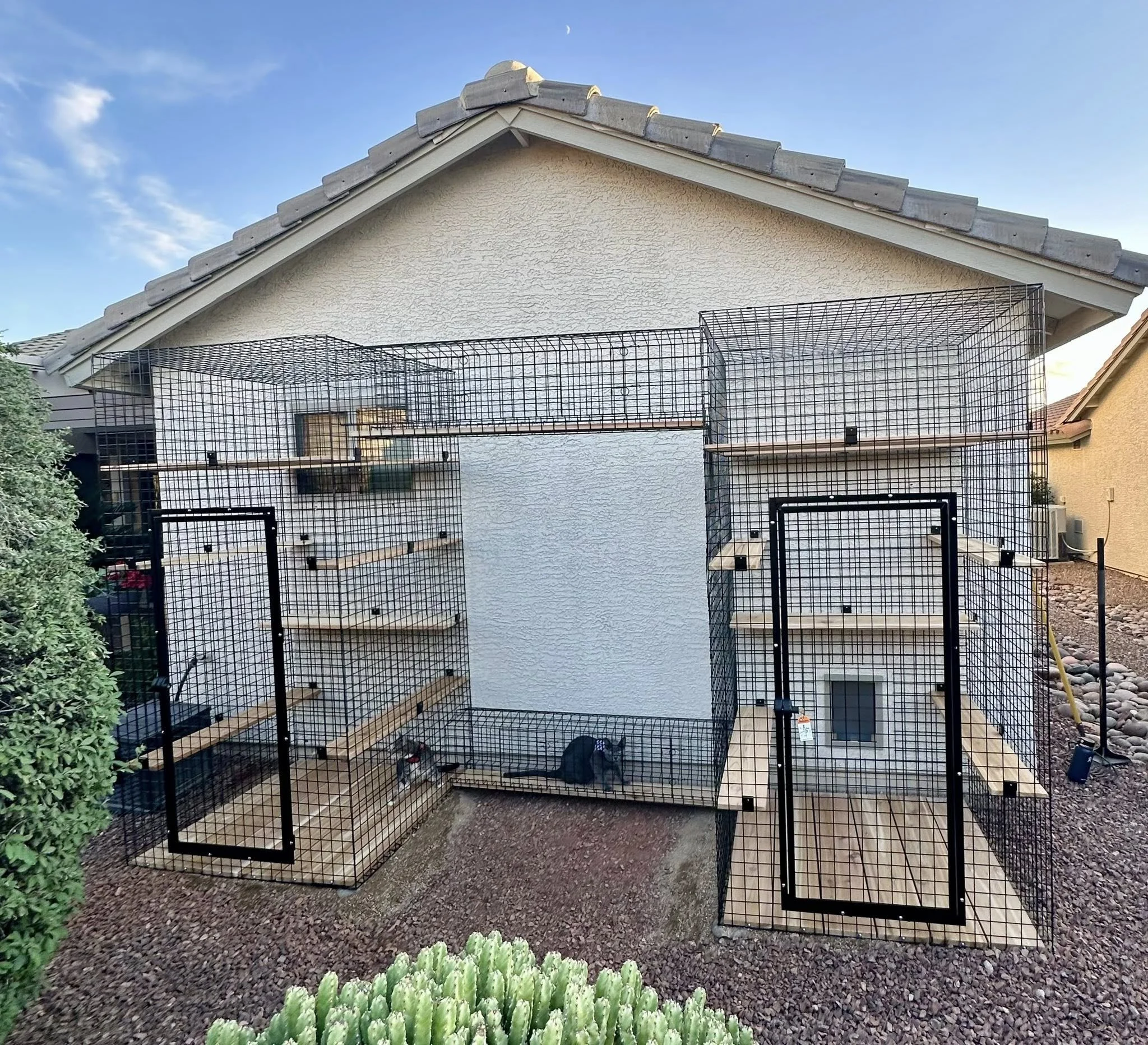
Open floor plans require kennel placement that supports natural interior traffic instead of interrupting movement between frequently used living spaces. Poor positioning can cause dogs or cats to linger near unsuitable access points rather than using the enclosure as intended. Layout-aware planning supports calmer behavior and more reliable daily routines for multi-pet households.
Outdoor configuration also influences how custom kennels perform throughout the year in Arizona climates. Yard shape, sun exposure, and proximity to walls affect airflow, shade availability, and overall safety. Planning around these factors helps prevent costly relocation or redesign later.
How Climate And Materials Influence Custom Kennels In Arizona Homes
Arizona heat, intense sun exposure, and airborne dust place constant stress on enclosure materials, which makes custom kennels a practical necessity rather than a cosmetic upgrade. Material selection directly affects heat retention, airflow consistency, and structural durability during extended warm seasons. Careful planning reduces premature wear while improving comfort for dogs and cats using the enclosure daily.
Powder-coated steel frames withstand prolonged sun exposure and temperature swings better than untreated metals used in many prebuilt enclosures. Durable coatings reduce corrosion risk while maintaining long-term structural stability.
Welded wire panels outperform lightweight mesh because they resist bending, warping, and separation under repeated movement or pressure. Stronger panels improve safety for active dogs and curious cats.
Shade-integrated roofing materials reduce interior heat buildup during peak daylight hours. Proper coverage keeps interior temperatures more stable during extended outdoor use.
Elevated flooring systems improve airflow beneath the enclosure while reducing heat transfer from concrete or compacted ground surfaces. Raised designs also simplify cleaning and moisture management.
Non-porous finishes limit odor absorption and moisture retention over time. Cleaner surfaces support hygiene for multi-pet households.
Material-driven design decisions help custom kennels remain functional despite Arizona’s demanding climate conditions. Better materials reduce replacement frequency and long-term maintenance costs. Thoughtful selection protects pets while preserving enclosure performance.
Why Fixed-Size Kennels Struggle In Multi-Pet Households
Households with both dogs and cats often discover that fixed-size kennel designs fail to accommodate different movement patterns and comfort needs. Space allocation, access control, and separation requirements vary significantly between species. Generic layouts rarely adapt once daily routines become established.
Dogs typically need room for movement and clear access during active periods throughout the day. Cats benefit from controlled entry points and quieter zones that reduce stress. Fixed layouts rarely balance these needs effectively.
Shared enclosures without defined zones often create tension between pets. Overlapping activity and rest areas lead to avoidance behaviors or inconsistent use. Custom planning allows layouts that support harmony instead of conflict.
How Access And Placement Improve Daily Use Of Custom Kennels
Access placement determines whether custom kennels integrate naturally into household routines or create ongoing frustration over time. Poor positioning leads to congestion, hesitation, and inconsistent use patterns. Strategic planning improves flow, predictability, and supervision.
Wall-mounted access points align kennel placement with interior movement patterns instead of forcing awkward exterior routes. Proper positioning encourages confident transitions for dogs and cats.
Door-adjacent installations simplify supervision while avoiding disruption to high-traffic interior areas. Clear sightlines support easier daily monitoring.
Offset gate placement reduces crowding during repeated entry and exit cycles. Predictable paths lower stress during frequent use.
Height-adjusted access accommodates different pet sizes without requiring separate enclosure systems. Flexible placement benefits mixed-pet households.
Reinforced framing protects surrounding walls from repeated contact and structural shifting over time. Strong installation preserves long-term stability.
Well-planned access placement allows custom kennels to function as a natural extension of the home. Predictable movement patterns support calmer behavior and easier routines. Proper placement improves long-term satisfaction for pet owners.
Why Professional Planning Matters When Choosing Custom Kennels
Professional planning ensures custom kennels align with structural requirements, pet behavior, and climate considerations from the start. Experienced guidance prevents placement mistakes that lead to heat buildup, poor airflow, or inefficient access. Early expertise reduces costly changes after installation.
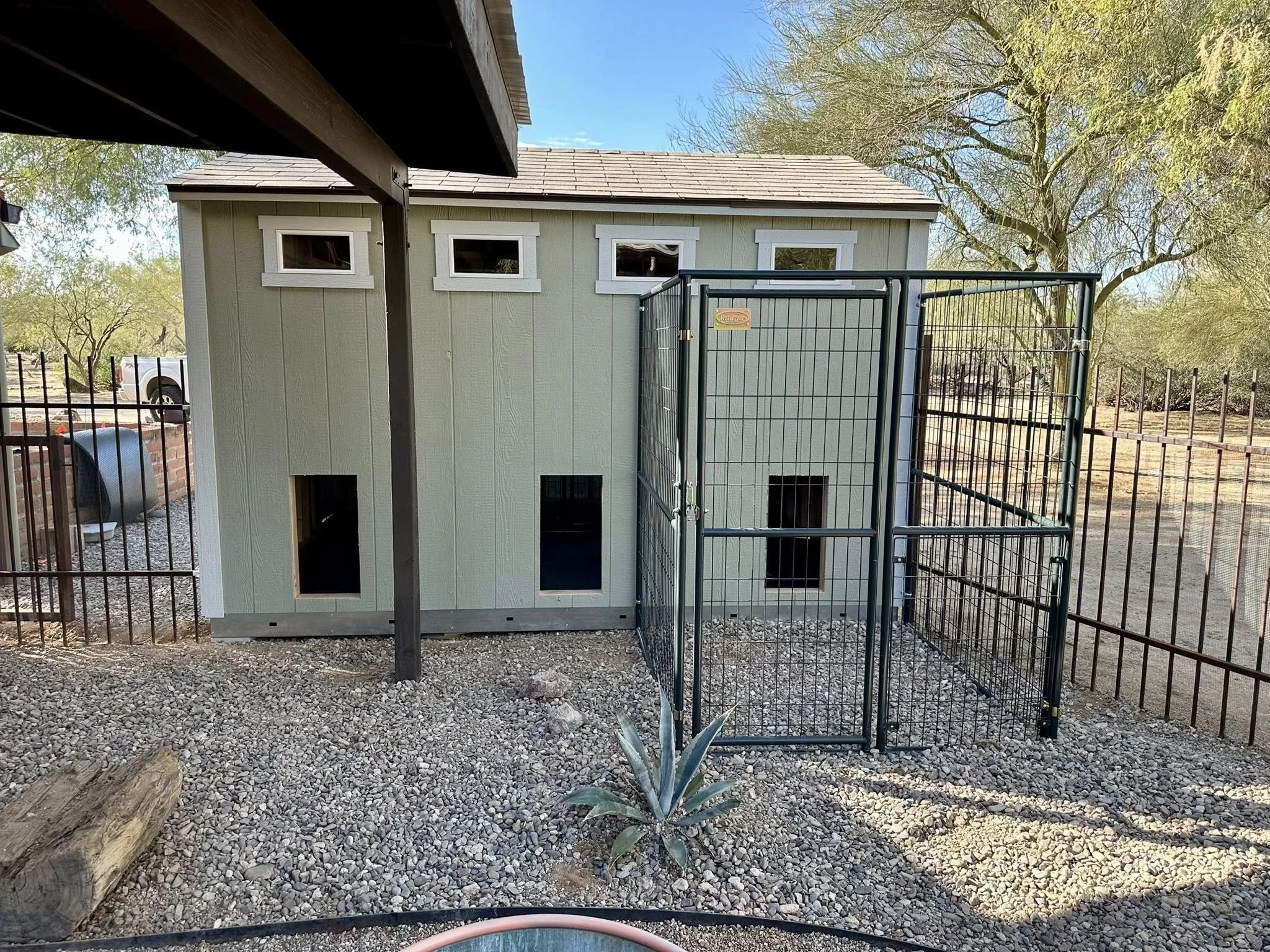
Material selection plays a major role in how kennels perform over time in Arizona conditions. Professionals understand which finishes, frames, and panels withstand sun exposure without excessive maintenance. Informed choices improve durability while protecting pet comfort.
Planning also helps households with dogs and cats balance different needs within one enclosure system. Zoning, access control, and layout decisions reduce stress between pets. Structured guidance supports predictable routines instead of trial-and-error adjustments.
Plan Your Custom Kennel With Tucson Doggie Doors
Planning a kennel works best when layout, materials, and access are treated as one connected system rather than separate upgrades. Thoughtful guidance helps you avoid design compromises that affect comfort, safety, and daily usability. Clear planning ensures long-term satisfaction instead of short-term fixes.
Tucson Doggie Doors helps homeowners design solutions that fit their property, climate, and whether they have dogs, cats, or both. Personalized recommendations align enclosures with pet doors, walls, and outdoor access points for seamless use. Experienced planning reduces surprises while supporting dependable performance.
If you want a kennel solution designed for Arizona living, contact us at Tucson Doggie Doors to plan a setup that truly fits your home.