
Dog Yard Fencing Options: What Works Best for Arizona Homes
Creating a secure and functional outdoor space is essential for any dog owner. Choosing the right dog yard fencing protects pets while enhancing the overall usability of your yard. Arizona homeowners face unique challenges such as intense sunlight, high temperatures, and occasional storms that can affect fencing performance.
In addition to safety, a well-planned dog yard supports pets’ physical and mental well-being. Dogs need space to run, explore, and engage with their environment without risking injury or escape. Careful consideration of materials, height, and layout is critical for achieving safe, durable, and enjoyable dog yard fencing.
What Makes Dog Yard Fencing Work Best in Arizona?
The best dog yard fencing combines safety, durability, and climate resilience for everyday use. Materials, height, and layout should prevent escapes while allowing pets freedom to move and play. Thoughtful design also reduces maintenance needs and keeps pets comfortable even in Arizona’s heat.
How High Should The Fence Be?
Fence height is one of the most overlooked yet critical factors in securing a dog yard. Dog yard fencing keeps active or climbing pets safely contained. For most medium to large breeds, a six-foot fence is standard, while smaller dogs may benefit from lattice or mesh panels.
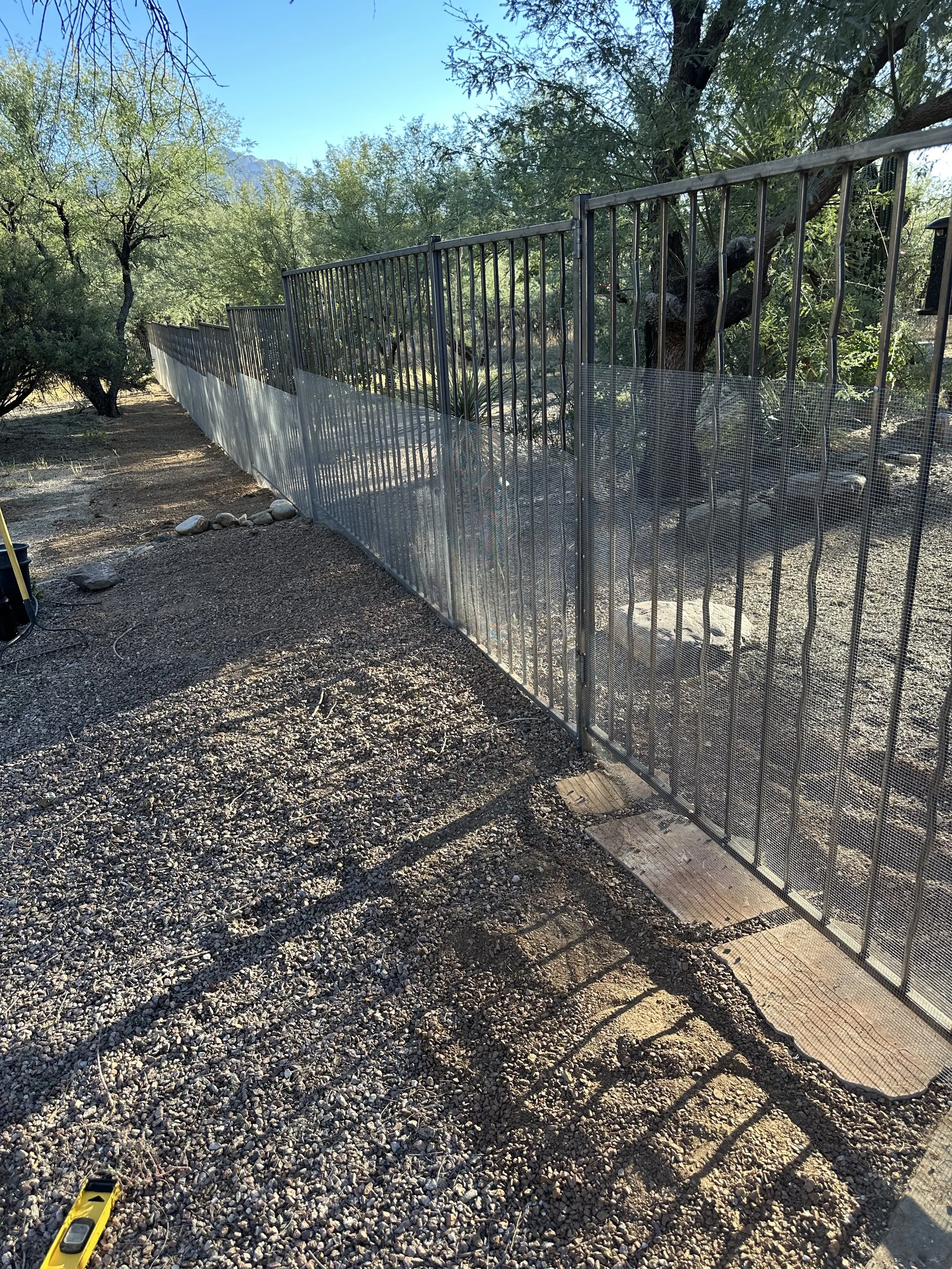
Gate design complements fence height, preventing accidental openings and reinforcing security. Self-closing latches and hidden locks protect pets in the yard or around dog kennels. Corner posts add stability, especially in sandy or uneven Arizona soil.
Considering the fence’s visibility also affects pet behavior. Dogs that can see outside stimuli may become anxious or reactive, so semi-solid panels or strategic plantings provide partial barriers. Meanwhile, open fences allow visual engagement without stress, balancing freedom and security.
Which Materials Perform Best?
Choosing the right materials ensures your dog yard fencing remains durable, safe, and low-maintenance. Arizona’s climate exposes fences to intense sun, occasional storms, and heat fluctuations that can damage lower-quality options. Homeowners must consider both longevity and pet comfort when selecting fencing materials.
Key options include:
Treated Wood: Natural aesthetics with moderate durability; requires annual sealing to resist warping and pests.
Vinyl: Resists heat and sun exposure, requires minimal maintenance, and stays visually appealing.
Metal (Aluminum or Wrought Iron): Extremely durable but can absorb heat; protective coatings are recommended.
Composite Materials: Combines strength with low maintenance, resistant to moisture, warping, and cracking.
Material Combinations: Using wood, metal, or vinyl strategically balances cost, longevity, and style.
Selecting the right material extends fence life while supporting your pet’s safety. Homeowners can explore professional guidance and design tips for dog yard fencing from local pet environment specialists.
How Should Your Yard Be Laid Out?
Yard layout is as important as material choice, influencing usability and pet behavior. Open pathways, resting zones, and designated play areas encourage safe exploration while minimizing congestion. Narrow corridors or sharp turns can frustrate pets and increase injury risk during active play.
Natural barriers, shrubs, or low walls complement fencing while adding shade and visual interest. These elements provide additional protection from outside distractions and mental stimulation for pets. Thoughtful placement of gates and entrances ensures smooth access without disrupting routines.
Proper layouts also integrate with pet doors and other access points. Linking indoor and outdoor spaces safely allows pets to move freely while minimizing security risks. Homeowners can follow placement guidance from pet door installation specialists to maximize dog yard fencing efficiency.
How Does Visibility Affect Dogs in a Fenced Yard?
Dogs respond strongly to visual stimuli, so fencing type impacts stress and behavior. Solid fences provide privacy, reducing anxiety from passing cars or pedestrians. Open fences encourage socialization and alertness but may trigger barking or agitation.
Balancing visibility allows pets to engage without becoming reactive. Partial panels, lattice inserts, or landscaping help moderate visual exposure while maintaining airflow. These designs keep dogs confident and relaxed while preserving yard security.
Proper fence placement also reduces conflicts with neighbors and wildlife. Dog yard fencing helps dogs enjoy safe outdoor time without unwanted interactions. Homeowners across the region can check local specialists for support with planning.
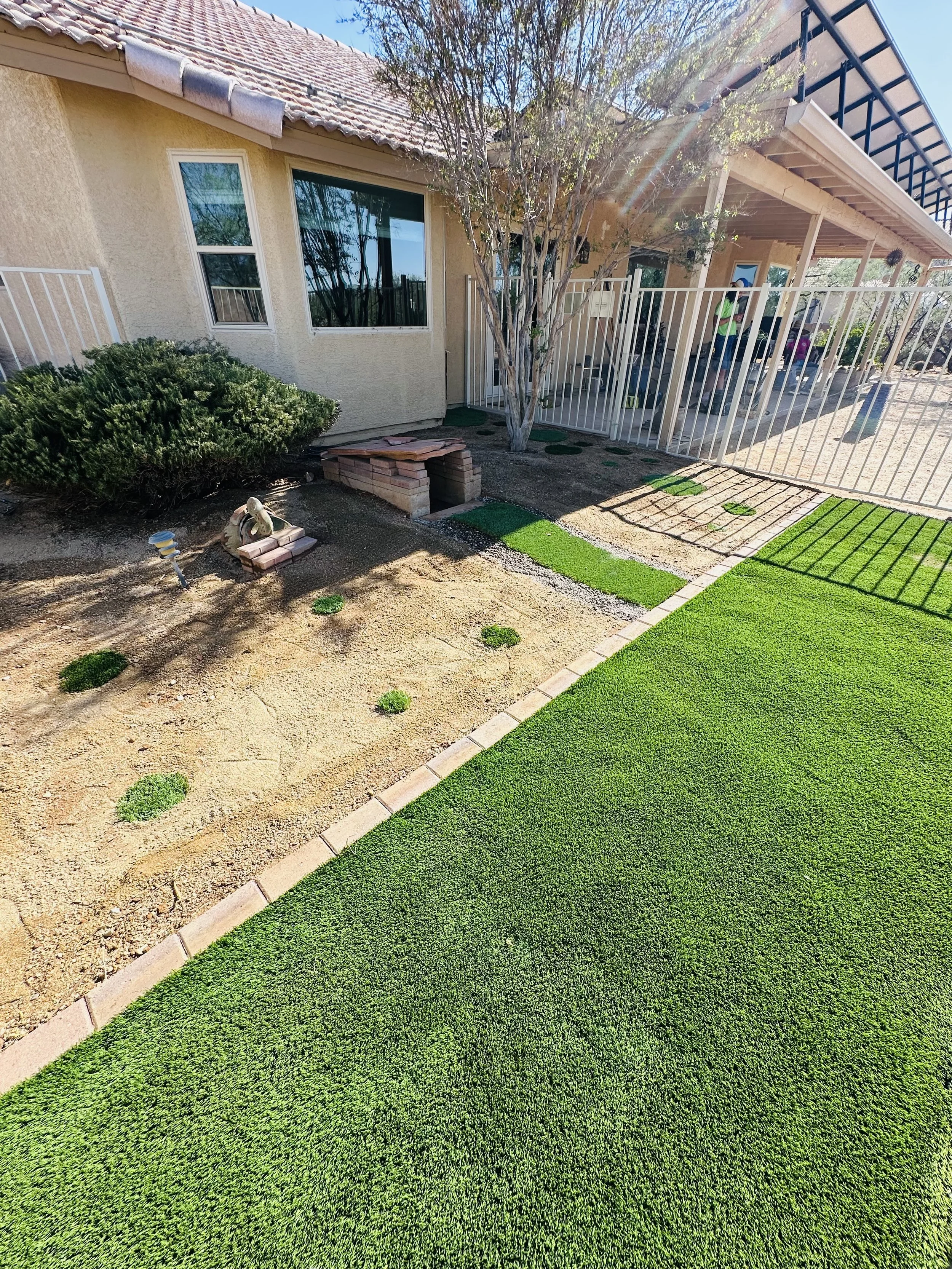
Designing Dog Yard Fencing That Works With Your Yard
Choosing the right dog yard fencing balances safety, durability, and daily use patterns. Pet doors and outdoor access points should align with fence layout to maximize convenience and reduce conflicts. Strategic planning ensures pets move freely while maintaining secure boundaries.
Solutions that account for Arizona’s climate and pet behavior patterns minimize maintenance and support long-term usability. Tucson Doggie Doors helps homeowners select fencing solutions that integrate with pet doors and other outdoor access points. Contact us today to design fencing that works with your yard, not against it.