
National Scoop the Poop Week: Why Pet Waste Removal Impacts Yard Health
Next week is National Scoop the Poop Week, a holiday that highlights how everyday habits like pet waste removal directly affect yard health, comfort, and long-term usability for homeowners. Pet waste often accumulates gradually, making damage easy to overlook until grass decline, odor, or surface issues become noticeable. Consistent waste management protects soil conditions and keeps outdoor spaces functional for daily routines.
Homes with dogs that use the yard regularly experience faster wear when pet waste removal becomes inconsistent. High-traffic areas near pet doors, gates, and common paths are the first to show damage once waste buildup begins. Proactive care helps maintain cleaner yards while reducing long-term restoration work.
Why Pet Waste Removal Matters For Yard Health During National Scoop the Poop Week
Pet waste removal protects yard health by preventing soil contamination, surface damage, and bacterial buildup that affects pets and people. Waste left behind alters nutrient balance, interferes with grass growth, and creates odor problems that spread across outdoor areas. Consistent pet waste removal supports safer play, healthier lawns, and more reliable yard use.
How Yard Conditions Change When Pet Waste Is Not Removed Properly
Neglected pet waste alters yard conditions in ways homeowners often underestimate, especially in high-traffic areas pets frequent daily. Grass discoloration, thinning patches, and persistent odors typically appear first, signaling that deeper soil and surface issues are developing. Pet waste removal becomes essential once these signs emerge, because surface cleanup alone no longer addresses underlying damage.
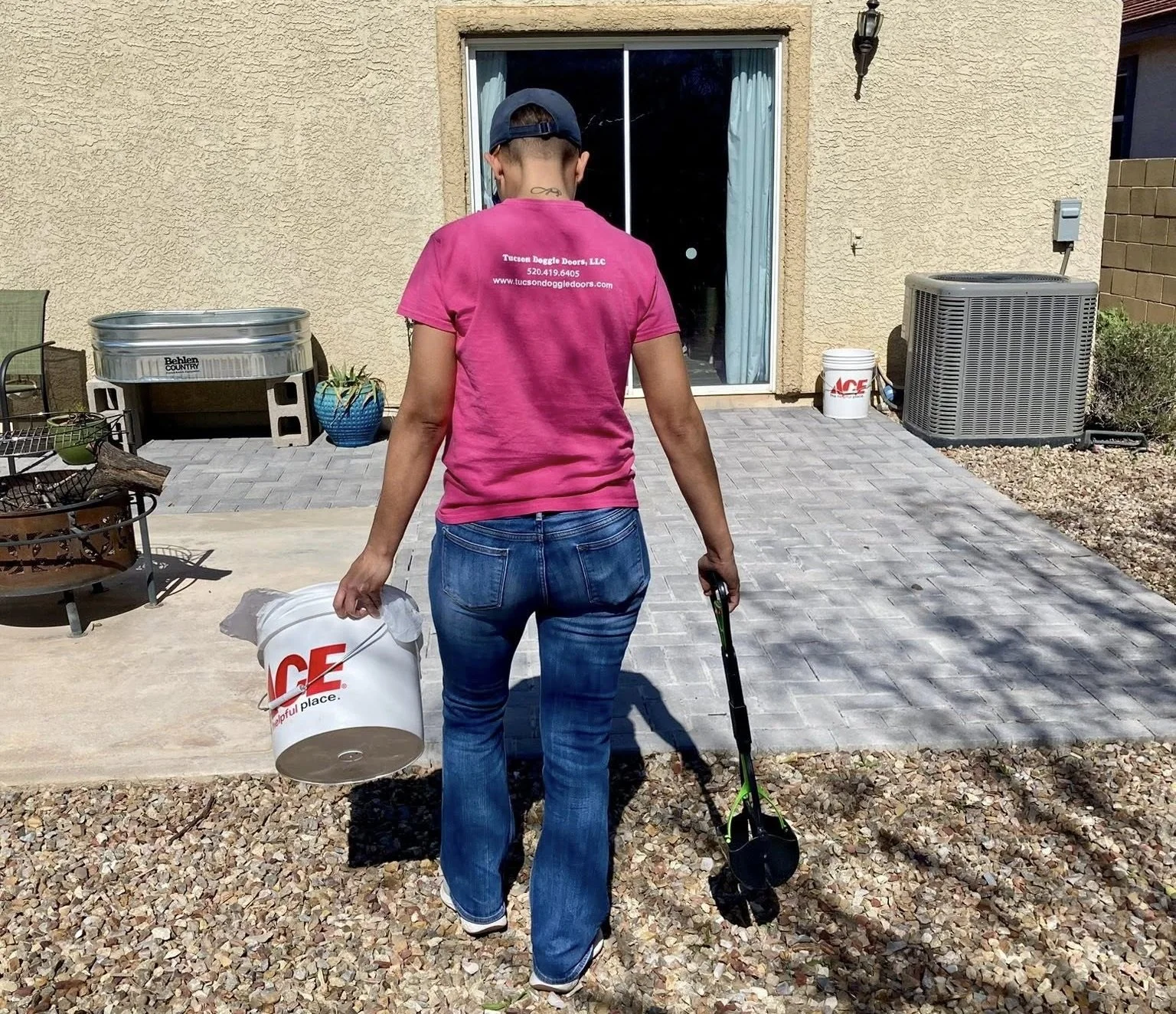
Soil chemistry shifts when waste remains in place, which interferes with grass growth, drainage, and overall nutrient balance across the yard. Compacted zones form along common pet paths, making recovery more difficult and time-consuming over time. Consistent pet waste removal preserves soil structure and prevents deterioration that requires costly remediation.
Unmanaged waste also affects how confidently pets use outdoor spaces during daily routines. Slippery residue, insects, and lingering smells disrupt movement patterns and discourage full yard use. Clean conditions support safer movement while keeping outdoor areas usable year-round.
How Pet Waste Removal Affects Soil Health And Drainage For Outdoor Areas
Pet waste removal directly influences soil structure and drainage because waste alters nutrient balance and blocks natural water absorption over time. Accumulated waste creates compacted zones that prevent moisture from dispersing evenly after rain or irrigation cycles. Consistent removal supports healthier soil conditions and more reliable drainage throughout the yard.
Waste left on grass introduces excess nitrogen that burns turf and disrupts root development across frequently used areas. Over time, damaged soil struggles to recover without extensive treatment.
Blocked drainage pathways form when waste mixes with soil and organic debris near common pet paths. Poor drainage increases mud buildup and surface instability.
Standing moisture attracts insects and increases bacterial growth that spreads through soil layers. Regular pet waste removal limits these conditions before they worsen.
Compacted ground becomes harder and less permeable when waste remains in place for extended periods. Looser soil supports better water flow and healthier grass growth.
Drainage issues often appear near pet doors and gates where traffic concentrates waste accumulation. Focused maintenance protects high-use zones from long-term damage.
Healthy soil conditions improve yard usability and reduce restoration costs over the long term. Proactive care supports consistent drainage and more resilient outdoor spaces. Reliable pet waste removal protects both landscape investment and daily pet routines.
Why Yard Odors And Surface Damage Increase Without Pet Waste Removal
Persistent yard odors develop when waste decomposes and releases gases that linger on grass and hard surfaces. Warm temperatures and moisture accelerate odor buildup, especially in shaded or enclosed areas. Regular pet waste removal prevents odors from permeating the soil and surrounding materials.
Surface damage also becomes more noticeable when waste remains in place for extended periods. Grass thins, discoloration spreads, and bare patches form where waste repeatedly contacts the same areas. These changes signal deeper surface deterioration rather than a temporary mess.
Odor and surface issues affect how confidently pets and people use the yard. Lingering smells discourage outdoor activity and increase tracking indoors through paws and fur. Clean surfaces support more comfortable, predictable yard use year-round.
How Consistent Pet Waste Removal Supports Safer Outdoor Use
Consistent pet waste removal improves safety by reducing slip hazards, bacterial exposure, and attraction for insects across outdoor living spaces. Clean yards allow pets to move freely without encountering contaminated or unstable surfaces. Predictable conditions support calmer behavior and healthier routines.
Slippery residue from decomposing waste increases fall risk for pets during running or play. Clean surfaces improve traction and stability.
Bacterial buildup from waste poses health concerns for pets and families using shared yard spaces. Regular removal limits exposure and spread.
Insects drawn to waste create additional hazards and discomfort during outdoor activity. Reduced attraction supports safer yard conditions.
Waste accumulation near walkways and access points increases tracking indoors through paws and footwear. Cleaner yards protect interior floors and entry areas.
Consistent routines make pet waste removal easier and less time-consuming over time. Small habits prevent overwhelming cleanup tasks.
Reliable waste management keeps outdoor spaces safer and more enjoyable for daily use. Clean conditions support confidence, comfort, and long-term yard health. Thoughtful maintenance benefits pets and homeowners alike.
How Pet Waste Removal Habits Support Long-Term Yard Health
Consistent pet waste removal supports long-term yard health by protecting soil balance, surface stability, and drainage performance across areas pets use daily. Gradual buildup quietly changes how grass grows, how water moves, and how safe surfaces feel underfoot. Reliable routines prevent small issues from turning into widespread damage.
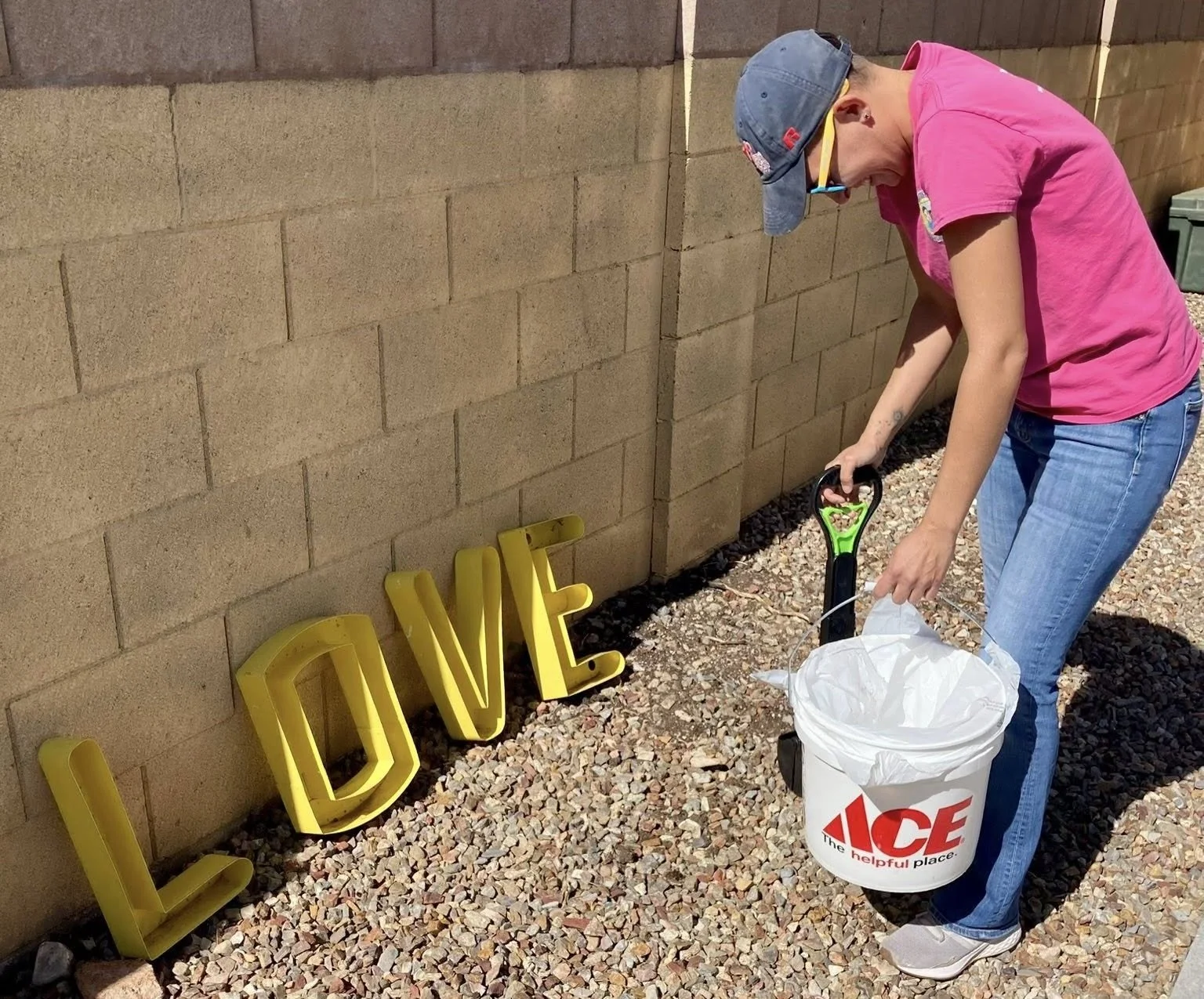
Outdoor areas near pet doors, gates, and common paths show the effects first when habits slip. Concentrated use magnifies soil compaction, odor retention, and surface wear over time. Pet waste removal helps preserve these high-traffic zones before restoration becomes difficult.
Long-term yard health also affects how confidently pets use outdoor spaces. Clean, predictable conditions support normal movement patterns and reduce avoidance behaviors. Thoughtful maintenance keeps yards usable and comfortable year after year.
Plan A Cleaner Yard With Tucson Doggie Doors
A cleaner yard starts with understanding how daily habits affect surfaces, access points, and long-term usability for pets and homeowners. Professional insight helps identify problem areas tied to access placement, drainage patterns, and repeated use. Clear planning reduces guesswork while protecting yard investments.
Tucson Doggie Doors helps homeowners improve outdoor routines by evaluating access points, pet movement patterns, and supporting home modifications. Experience with walls, doors, and glass installations ensures recommendations fit real use conditions. Personalized guidance supports cleaner yards and more dependable daily access.
If you want to improve yard health while keeping pet access simple and reliable, contact Tucson Doggie Doors to plan practical solutions that fit your home.